
Home Insurance · Migrated Article
Water Woes: Basement Flooding and Sewer Backup
Basement flooding is one of the most common and costly home insurance claims in Ontario — and also one of the most misunderstood. Many homeowners don't realize there are multiple types of water damage, and their standard policy may not cover all of them. Here's what you need to know before the next heavy rain or spring thaw.
Not All Water Damage Is the Same
Home insurance distinguishes between different sources of water damage, and coverage depends heavily on where the water came from. The major categories:
- Sewer or septic backup — water or sewage that backs up through floor drains, toilets, or other plumbing. This is one of the most common causes of basement flooding in older urban areas, particularly during heavy rain when municipal systems are overwhelmed.
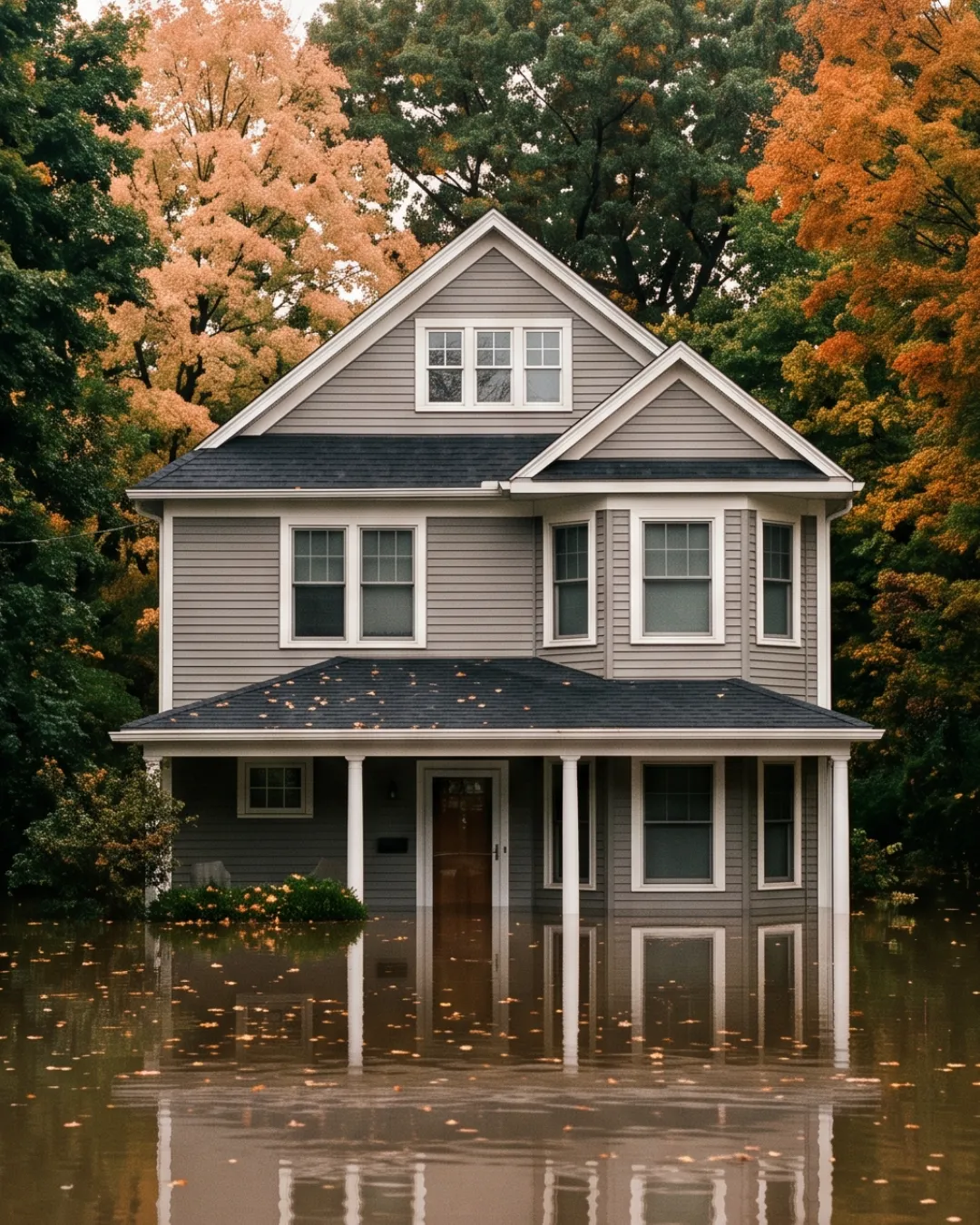
- Overland flooding — surface water that enters the home from outside — rising water from a nearby lake, river, or accumulated surface runoff after heavy rainfall. Historically excluded from most home policies, overland water coverage is now available as an endorsement.
- Sudden and accidental water damage — a burst pipe, failed appliance hose, or accidental overflow. Generally covered under standard home policies as a named peril.
- Gradual water damage — seepage through foundation cracks, slow leaks, or condensation over time. Almost universally excluded. Insurers expect homeowners to maintain their property and address developing issues.
The Standard Policy Gap
The standard Ontario home policy covers sudden and accidental water damage. It does not automatically cover sewer backup or overland flooding — those require specific endorsements.
This is a gap that catches many homeowners off guard. A significant rainfall event overwhelms the municipal sewer, water backs up through the basement drain, and the finished basement is destroyed. The claim is denied because sewer backup coverage wasn't on the policy — or the limit is insufficient because it wasn't reviewed in years.
Sewer backup endorsements are widely available and relatively inexpensive. Overland water coverage is less universally available, as carriers assess flood risk by postal code — properties in known flood zones may face higher premiums or unavailability. If you live near a watercourse, Lake Ontario, or in an area with a history of flooding, asking specifically about overland water coverage is essential.
Coverage Limits Matter as Much as Coverage
Even when sewer backup coverage is on the policy, the default limit may be inadequate. A common standard limit is $10,000–$20,000 for sewer backup. A finished basement in a Durham Region home — drywall, flooring, a bathroom, possibly a kitchen, and the contents — can easily cost $40,000–$80,000 or more to restore properly after a sewage backup. The work involves water extraction, antimicrobial treatment, demolition to the studs, drying, and full reconstruction.
Reviewing and increasing your sewer backup and overland water limits is one of the most cost-effective coverage improvements available for most homeowners. The additional premium for higher limits is often modest.
Prevention Reduces Risk and May Reduce Your Premium
Insurers recognize that prevention reduces claim frequency. Installing a backwater valve — a device that prevents sewage from flowing back into your home through floor drains — is one of the most effective mitigation measures available. Many Ontario municipalities including those in Durham Region have offered subsidy programs for backwater valve installation.
Some carriers provide premium credits for verified mitigation measures. At minimum, documentation of these improvements strengthens your coverage conversation with your broker and insurer.
Other practical measures: maintain your sump pump (and consider a backup system with a battery or water-powered backup), ensure downspouts discharge away from the foundation, keep eavestroughs clear, and know where your main water shut-off is.
After a Flooding Event
If you experience basement flooding, document everything before beginning cleanup — photographs and video of all damage. Contact your insurer or broker promptly. Many policies require prompt reporting, and delays can complicate your claim. Emergency mitigation (extracting standing water, preventing further damage) is generally expected and covered; permanent repairs should wait for insurer approval.
Is your home properly covered for water damage?
McCAM's home insurance advisors can review your sewer backup and overland water limits and identify any gaps in your current coverage.