
Recreational Insurance
Cottage & Recreational Insurance: What Durham Families Often Get Wrong
A cottage in Muskoka, a boat on Rice Lake, an ATV for the trails near Port Perry — recreational assets represent some of the most meaningful investments Durham Region families make. They're also among the most commonly underinsured, with gaps that only become visible when something goes wrong.
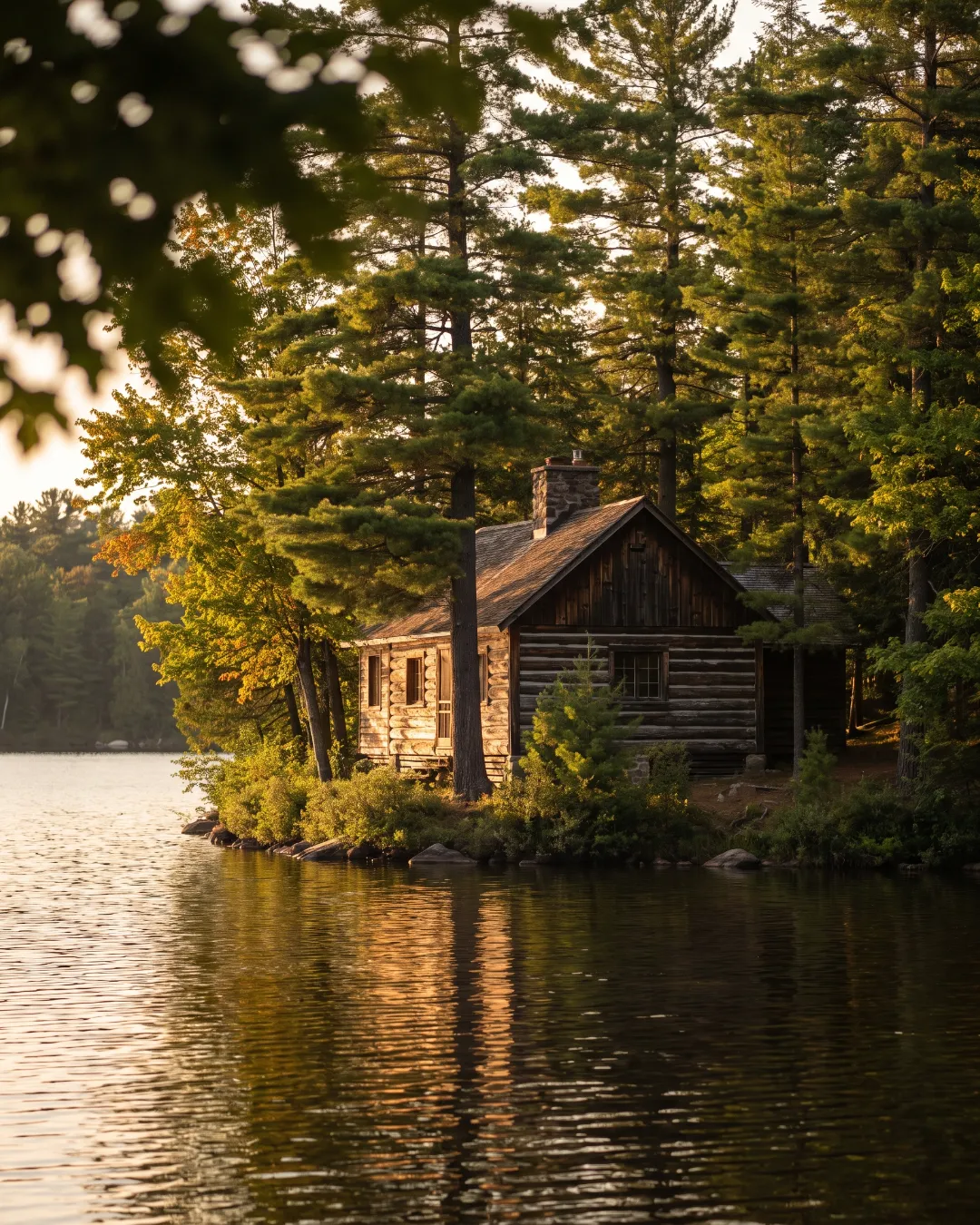
The Cottage Coverage Myth
Many Ontario families assume their primary home insurance extends to cover the cottage. In some limited cases, it might provide minimal coverage — but the terms, limits, and conditions are almost never adequate for a seasonal property used differently from your home.
A cottage insurance policy is designed around the specific risk profile of a seasonal property: extended periods of vacancy, different construction types, remote locations with limited emergency services access, waterfront liability exposure, and the presence of recreational equipment. Your home policy wasn't designed for any of that.
The key differences between home and cottage insurance:
- Vacancy clauses — most home policies contain a vacancy clause that limits or voids coverage after 30 consecutive days unoccupied. A proper cottage policy is structured to accommodate seasonal vacancy without coverage gaps during the off-season.
- Replacement cost vs. actual cash value — older seasonal properties that don't qualify for replacement cost coverage are settled on an actual cash value basis. For a 40-year-old cottage, that can mean a settlement that covers very little of what rebuilding actually costs.
- Construction type and materials — log construction, older wiring, wood-burning stoves, and pier-supported foundations affect underwriting. A policy that doesn't accurately reflect your property's construction may not pay as expected.
Watercraft: The Most Commonly Forgotten Exposure
In Ontario, motorized watercraft is not automatically covered under your home or cottage policy beyond very limited liability in very limited circumstances. A dedicated watercraft policy covers the boat itself (hull, motor, and trailer), personal property aboard, and your liability on the water.
Waterfront liability is significant. If a guest is injured on your dock, or your boat is involved in an accident on the water, the liability exposure can be substantial. Bodily injury claims on the water are no different from those on land — they can reach into the hundreds of thousands of dollars.
For boats stored at or near the cottage, coverage during transit to and from the water, while in storage, and while on the water all need to be addressed in the policy. Many families buy minimal watercraft coverage and don't think about it again — until they discover their navigational territory limits don't cover where they actually boat.
Renting Your Cottage: A Coverage Minefield
Short-term cottage rentals through platforms like Airbnb or direct arrangements have become common — and almost universally create coverage problems under standard cottage policies. Most seasonal property policies exclude commercial use and rental income. If you rent and something happens during a guest's stay, you may have no coverage at all.
Specific cottage rental endorsements and specialty vacation rental policies exist to address this exposure. If you're renting your property, even occasionally, discuss this with your broker before the first guest arrives.
ATVs, Snowmobiles, and Off-Road Vehicles
Recreational vehicles require their own dedicated insurance. Ontario requires liability coverage for ATVs and snowmobiles operated on trails and crown land — and responsible ownership requires more than the minimum. Machines can be expensive to replace, and accidents involving ATVs and snowmobiles can cause serious injuries.
For Durham Region families who keep these machines at the cottage, coverage should follow the vehicle — including while stored, while being transported, and while operated off your own property.
The Portfolio Approach
The most effective way to insure a complex recreational asset portfolio — cottage, boat, motorcycles, ATVs — is to review it as a whole rather than piece by piece. Coverage gaps often exist at the intersections between policies, not within individual policies. A broker who understands your full picture can identify where those intersections are and make sure nothing falls through.
McCAM's personal lines advisors regularly work with Durham Region families who have primary homes in Oshawa or Whitby, cottages in Muskoka or Haliburton, and recreational vehicles to match. We understand the full picture — and how to cover it properly.
Protect everything you've built beyond the 9-to-5.
McCAM helps Durham Region families cover their recreational assets the right way — cottage, boat, motorcycle, and more.